Vestibular Diagnostic Devices

Vestibular and Balance Diagnostic Equipment: VNG and vHIT Systems From BioMed Jena

Vertigo, dizziness, and balance disorders are among the most common reasons patients visit ear, nose, and throat (ENT) and neurology clinics, and the underlying cause is often a problem in the vestibular system of the inner ear, as in benign paroxysmal positional vertigo (BPPV), vestibular neuritis, or Ménière’s disease. To diagnose these conditions accurately, doctors need specialized equipment that records and analyzes the involuntary eye movements (nystagmus) linked to inner-ear function.

iHear is the authorized distributor of Germany’s BioMed Jena, one of the world’s five largest companies making hearing and balance devices. iHear offers an integrated range of vestibular diagnostic devices in the UAE, including the eVNG USB video nystagmography system, the eHIT USB video head impulse test device, caloric testing equipment, a rotary chair, and VEMP testing.

When Is a Vestibular and Balance Test Needed?

A patient is usually referred for vestibular testing when one or more of these symptoms appear:
Sudden spells of vertigo when the head position changes (may suggest BPPV)
Persistent dizziness with tinnitus (ringing in the ear) and fluctuating hearing loss (may suggest Ménière's disease)
Severe vertigo with nausea after a viral infection (may suggest vestibular neuritis)
Unsteady balance or difficulty walking without a clear muscular cause
Vertigo that appears only with fast head movements (a vHIT may be considered)
The devices on this page give the clinician objective measurements that help tell these conditions apart, instead of relying only on the patient's verbal description. The clinician interprets the results.
أجهزة تشخيص الدوار والتوازن الدهليزي | VNG وvHIT | في الإمارات
Vestibular Diagnostic Devices UAE | VNG and vHIT | iHear

eVNG USB Device for Video Nystagmography

Easy-to-Use Routine Examination with the eVNGUSB Eye Movement Imaging System

  • Adjust image sharpness
  • Fully automated test sequences
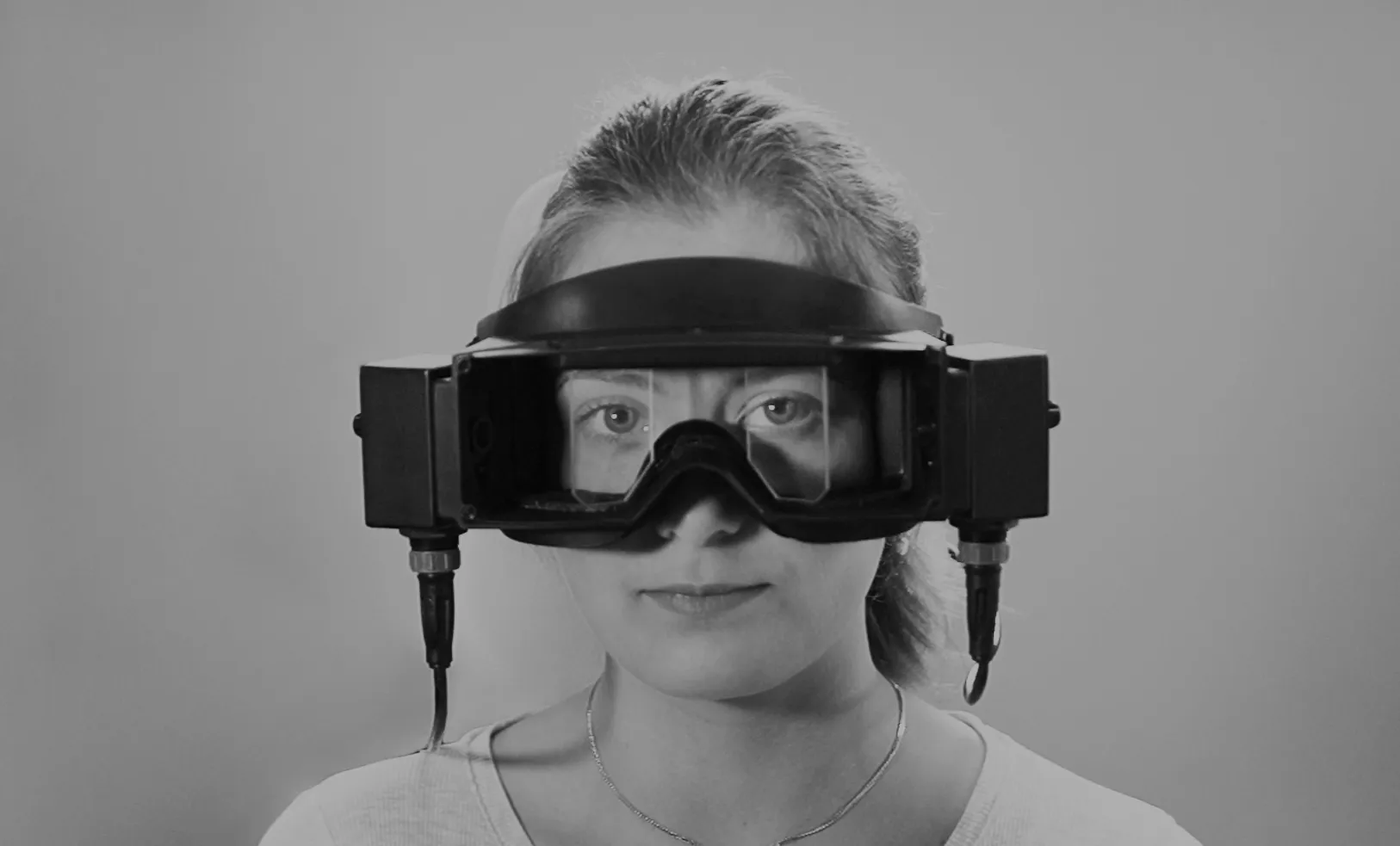
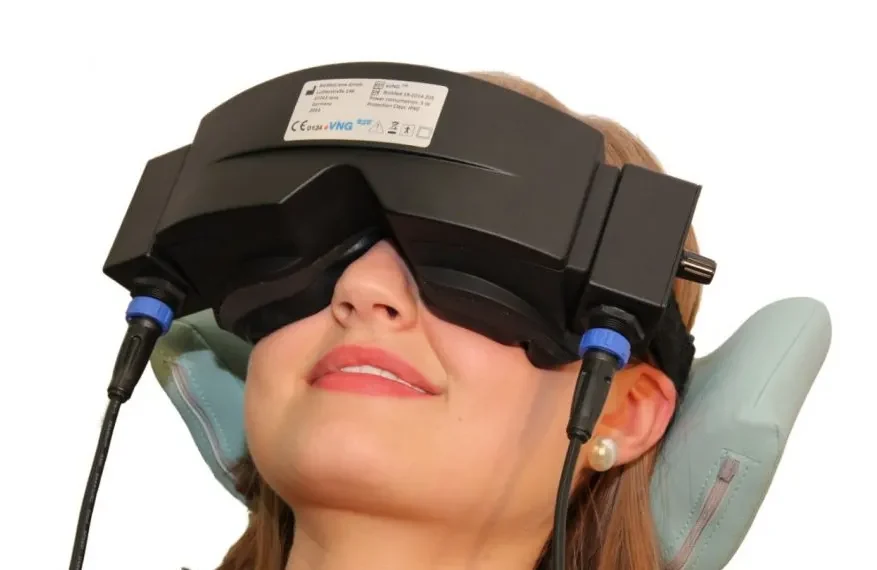
  • Dual Lens Steady Video Glasses with Face Cover
  • Three-step adjustable heat reflective mirrors
  • Print detailed results
  • Soft cushion to provide a perfect and comfortable fit
  • Foot switch
  • No other computers needed

Realistic 3D Calibration System Requirements for the eHITUSB Device 

  • Intel Core i5 processor minimum
  • Screen resolution 1920 x 1080 pixels (Full HD)
  • Windows 10 operating system.

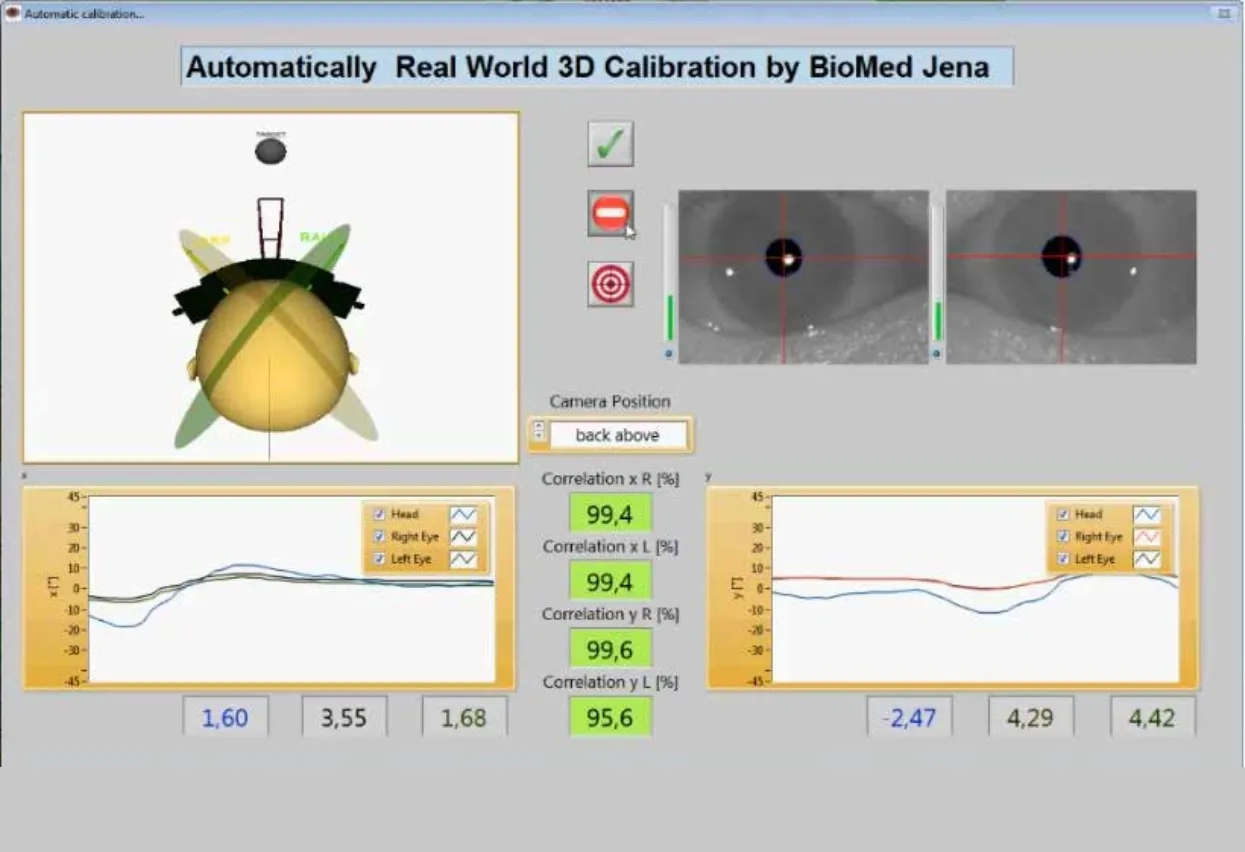
Thanks to our new innovative sensor technology, we now offer you easy and realistic calibration!
  • Easy, fast and reliable!
  • New Opportunities in Training, Measurement, and Diagnostics!
  • Displays head movement in all axes with high precision.

eDVAUSB Dynamic Visual Acuity During the VOR Test: Dynamic visual acuity (DVA) describes the stability of visual images in which the vestibulo-ocular reflex (VOR) counteracts head movement by moving the eyes in the opposite direction to maintain a clear view of the world. The eDVAUSB test provides static and dynamic visual information in healthy people such as pilots and athletes, as well as in patients with vestibular or neurological disorders. Simpler versions of this test involve reading the vision board while the patient shakes his head. If the patient has to move his head two lines up on the vision board to see the letters

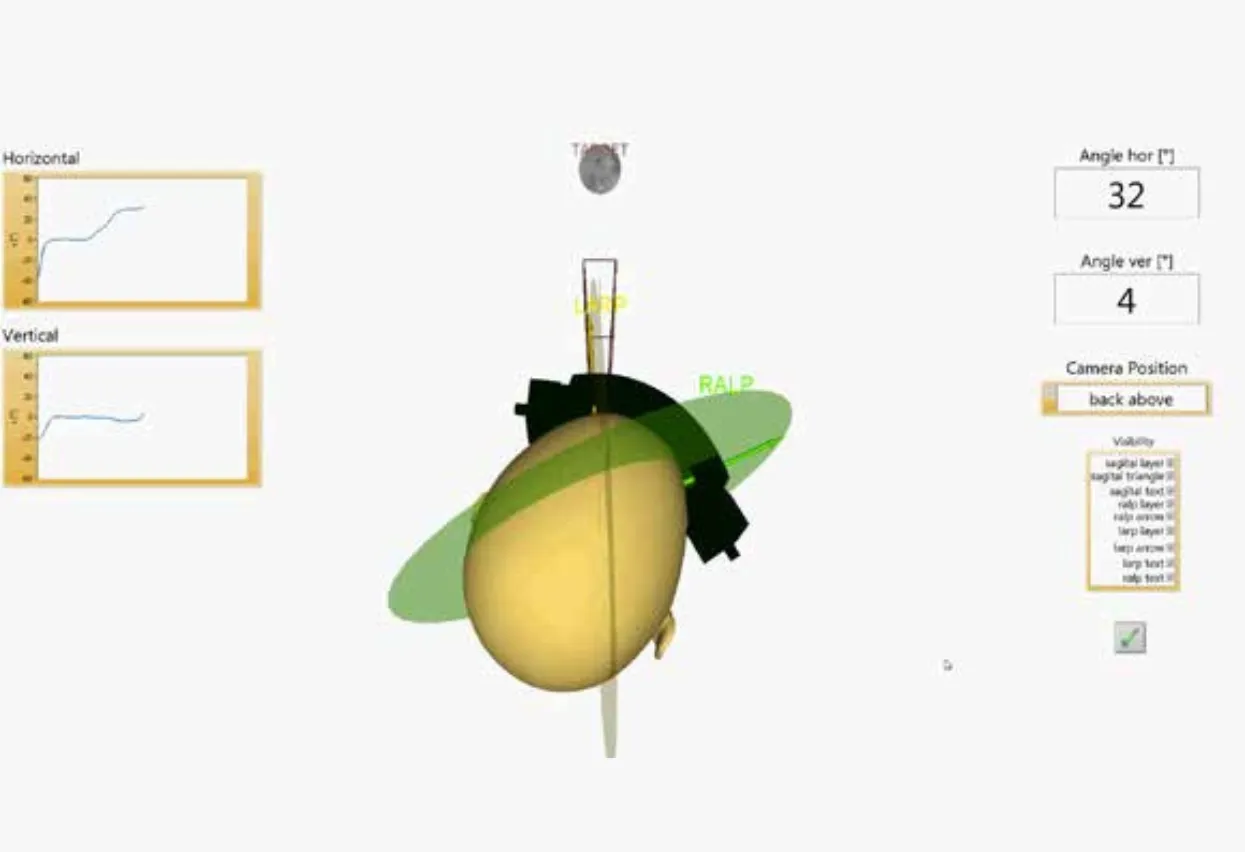
eHITUSB Video – Head Impulse Test: The eHITUSB Head Impulse Test was developed to quantitatively analyze the six semicircular canals. The tested channel is always in the direction of the pulse. This means that when the head is turned to the right, the right channel is activated and vice versa. This also applies to the vertical semicircular canals. The test uses the vertical planes of the anterior and posterior canals, which are located at approximately a 45 degree angle to the sagittal plane. Now with the SHIMP test, horizontal level, head movement, semicircular canal, anterior left, posterior right…

The First Method: This method starts from the center and moves randomly to the left or right. After the stimulus, the head is slowly returned to the starting position. Advantage: The patient does not know the direction of the stimulus.

The Second Method: The head is slowly moved to the left or right and then returned to the central position. Advantage: This method is easier for beginners, as it allows greater control over the stimulus (especially the angles).

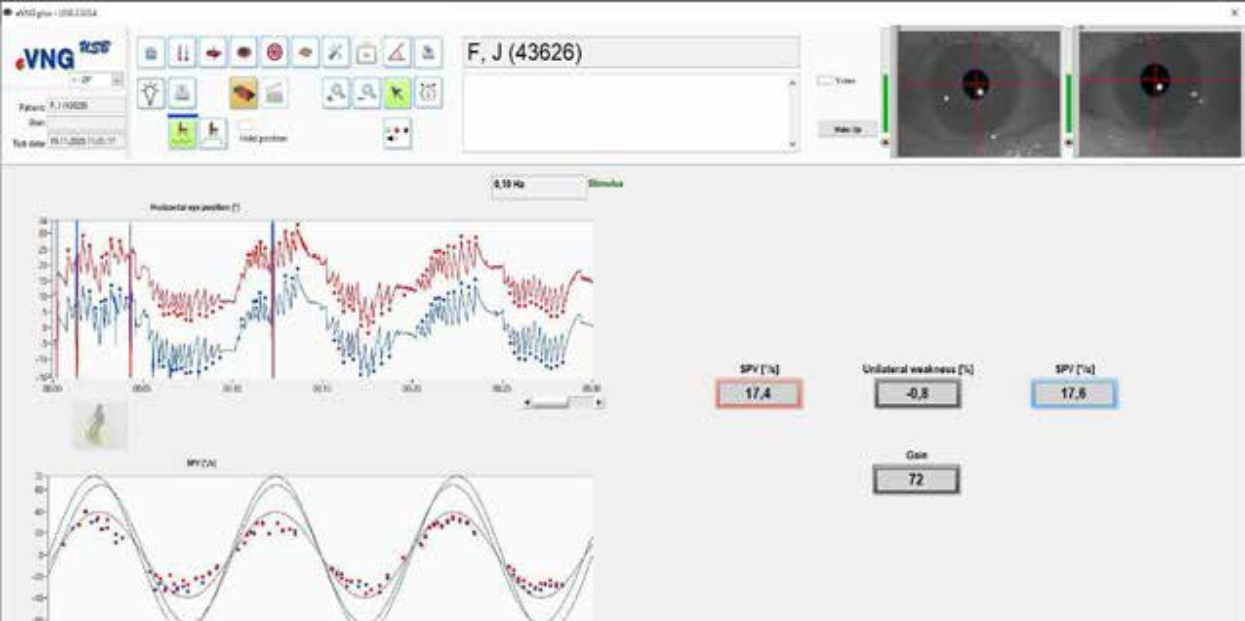
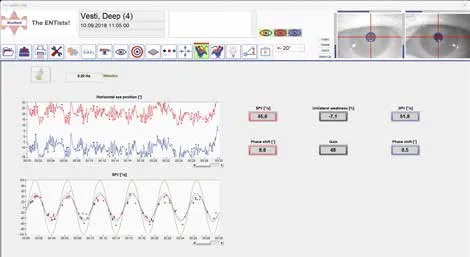
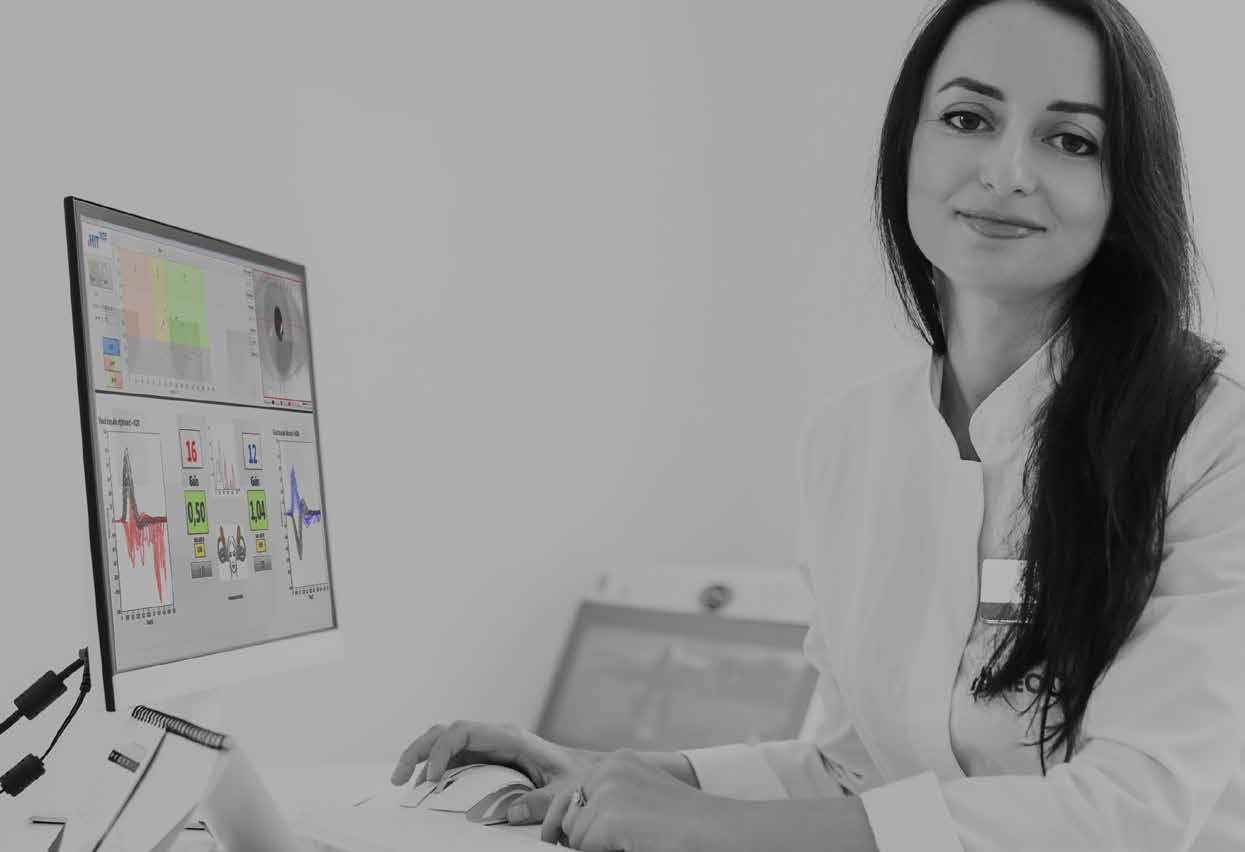
Results are displayed in real time. The normal response to the stimulus is exactly opposite to the head movement, with smooth eye motion. The gain ratio is calculated for each trial. The gain between head and eye movement should be close to 1. If there is an issue with a semicircular canal, the patient loses the target, and compensatory corrective saccades occur. If the gain falls within the gray zone, a disorder may be present. If only one side is affected, two separate dotted clouds appear. In addition to displaying gain and movement, the eHITUSB software provides a 3D representation.

VNG / vHIT– COMBI Mask

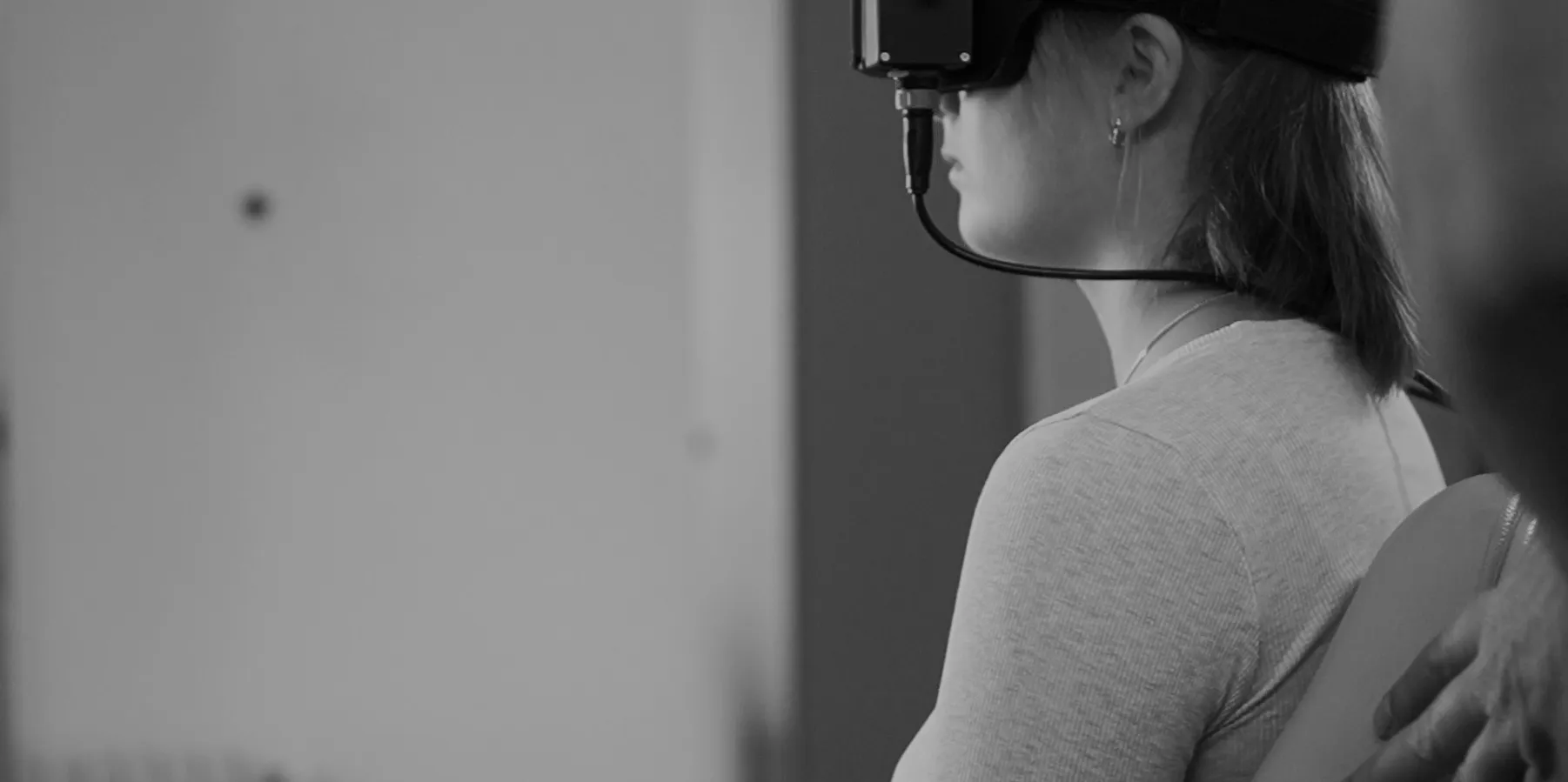
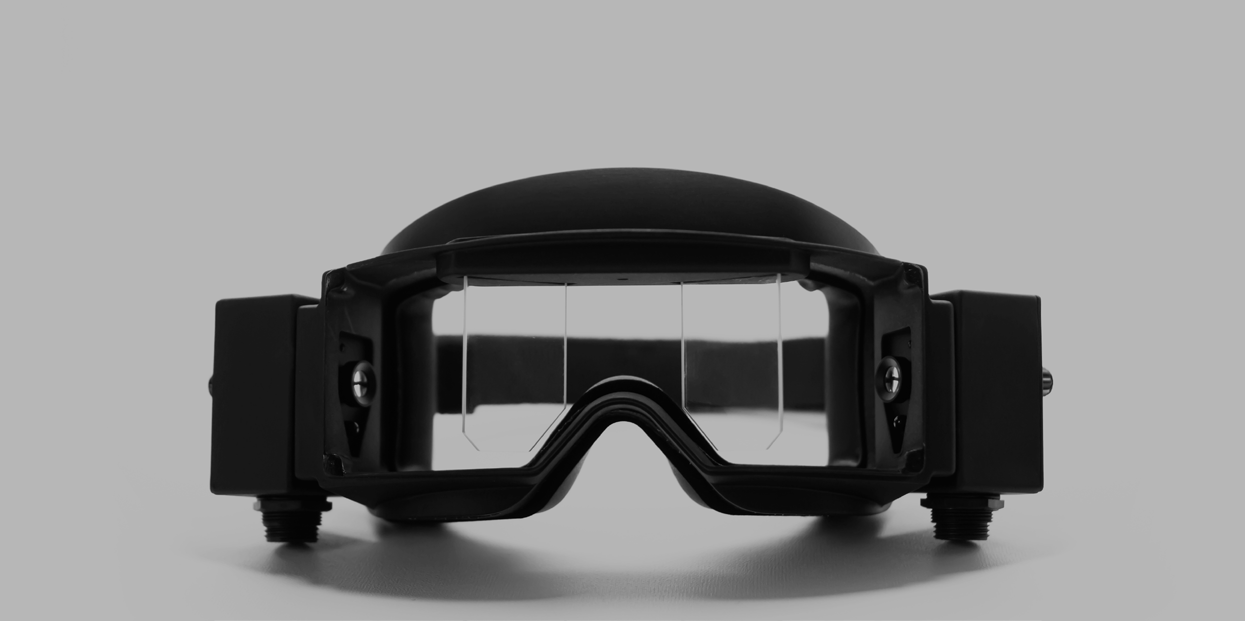
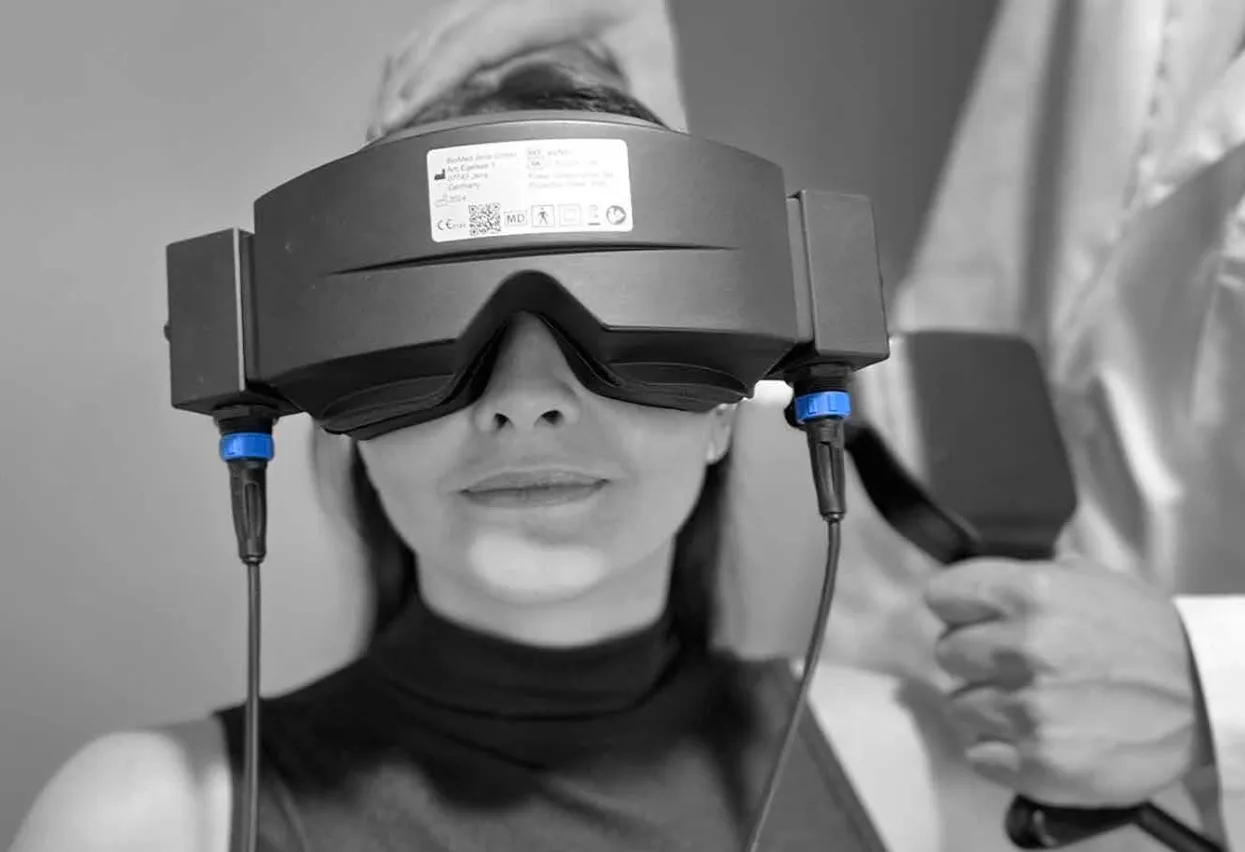
VNG/vHIT–COMBI mask for all measurements and add-ons. The built-in video mask can be used for examinations in the dark or with visual stimulation. The video image is focusable and can be individually adjusted horizontally and vertically. The soft cushion ensures a comfortable, light-blocking fit to the face. The eVNG / eHIT mask is equipped with 9-axis sensor fusion technology. Record both eyes with two cameras. Power is supplied via USB port. A foot switch option is available for optimal hands-free use. With the additional mascara option, patients wearing eye makeup can be examined without removing the mask.
Vng 1 result e1774952709540

KALORI Star Air Caloric Device with Active Cooling Technology

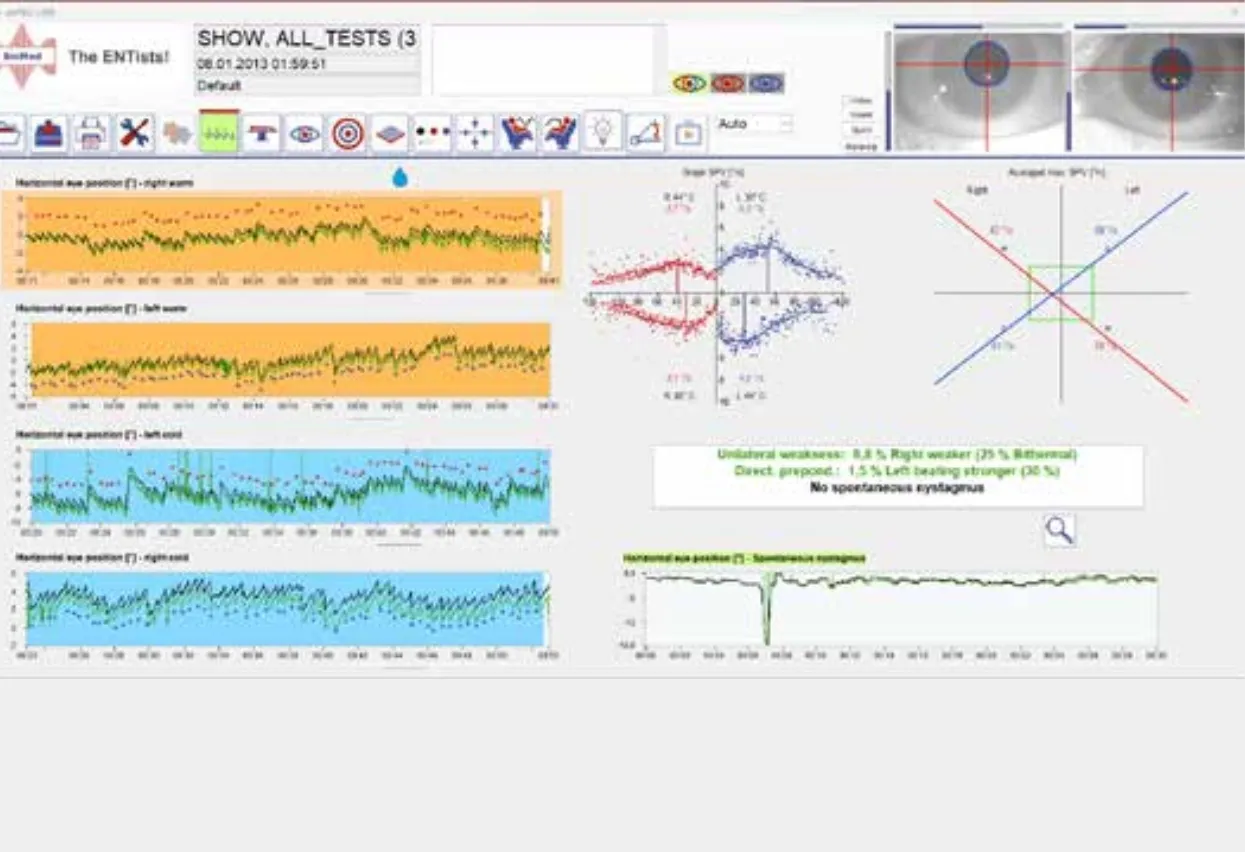
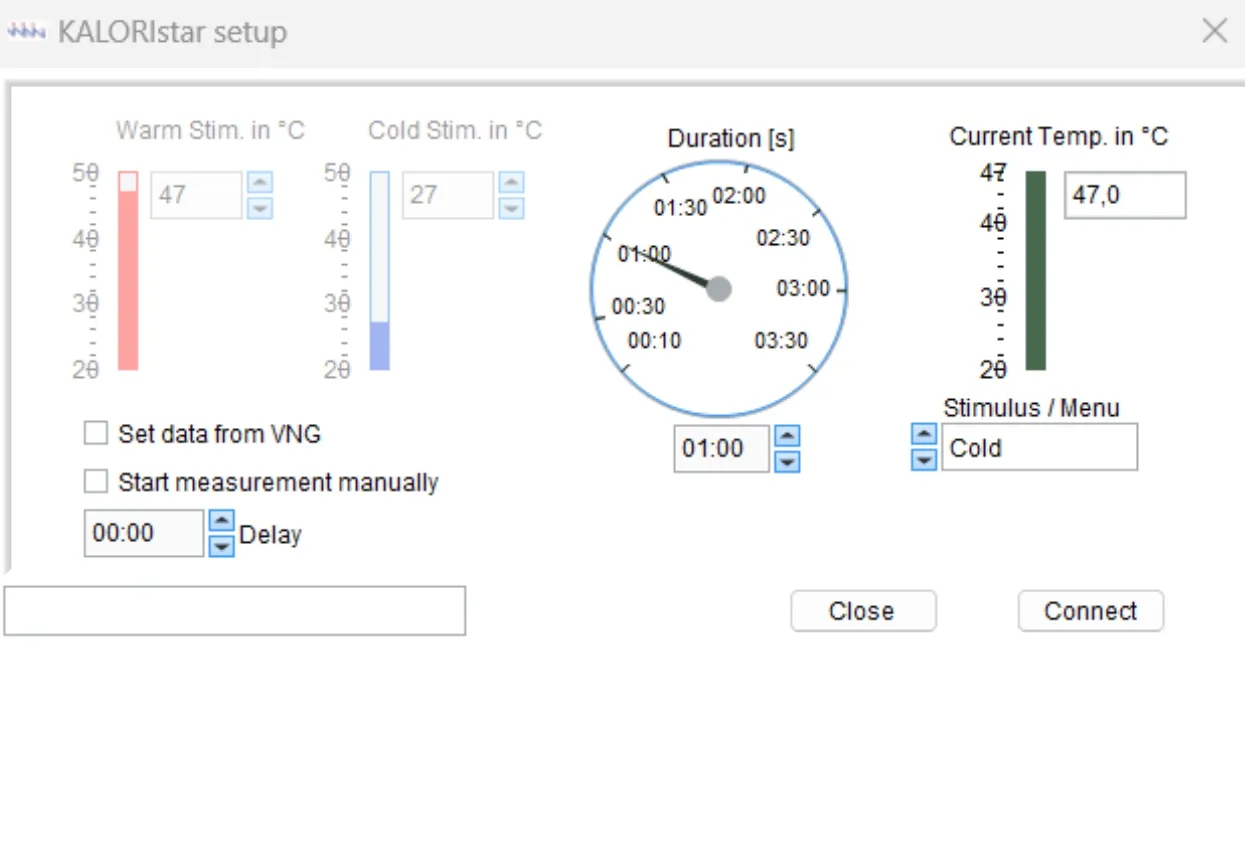
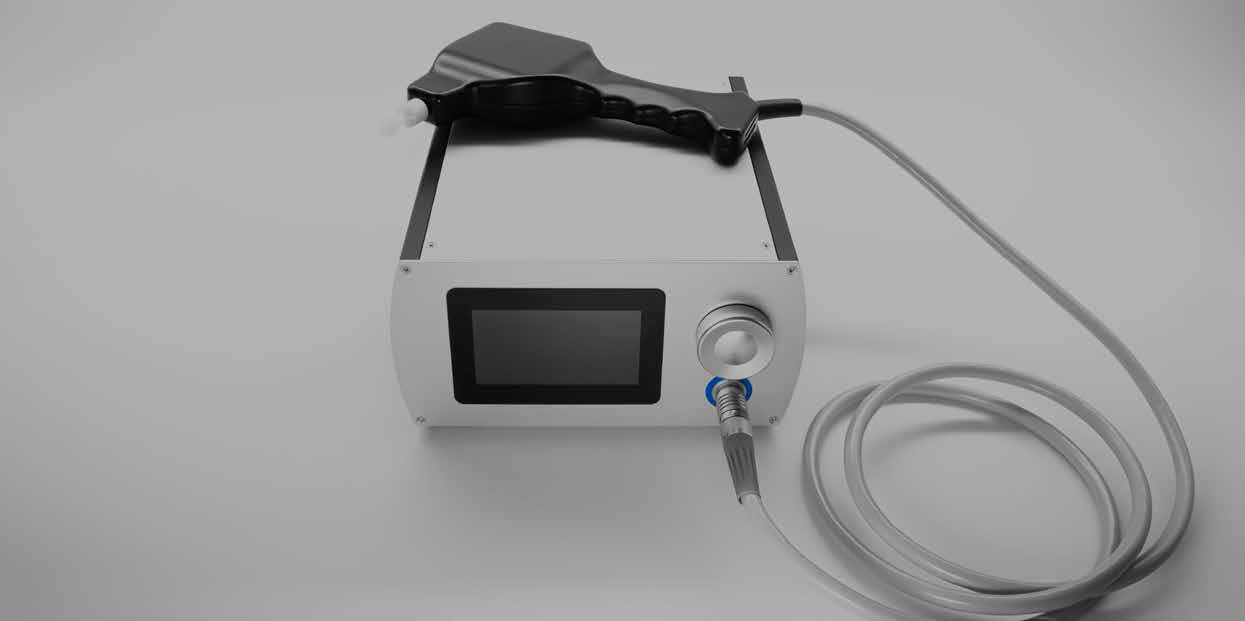
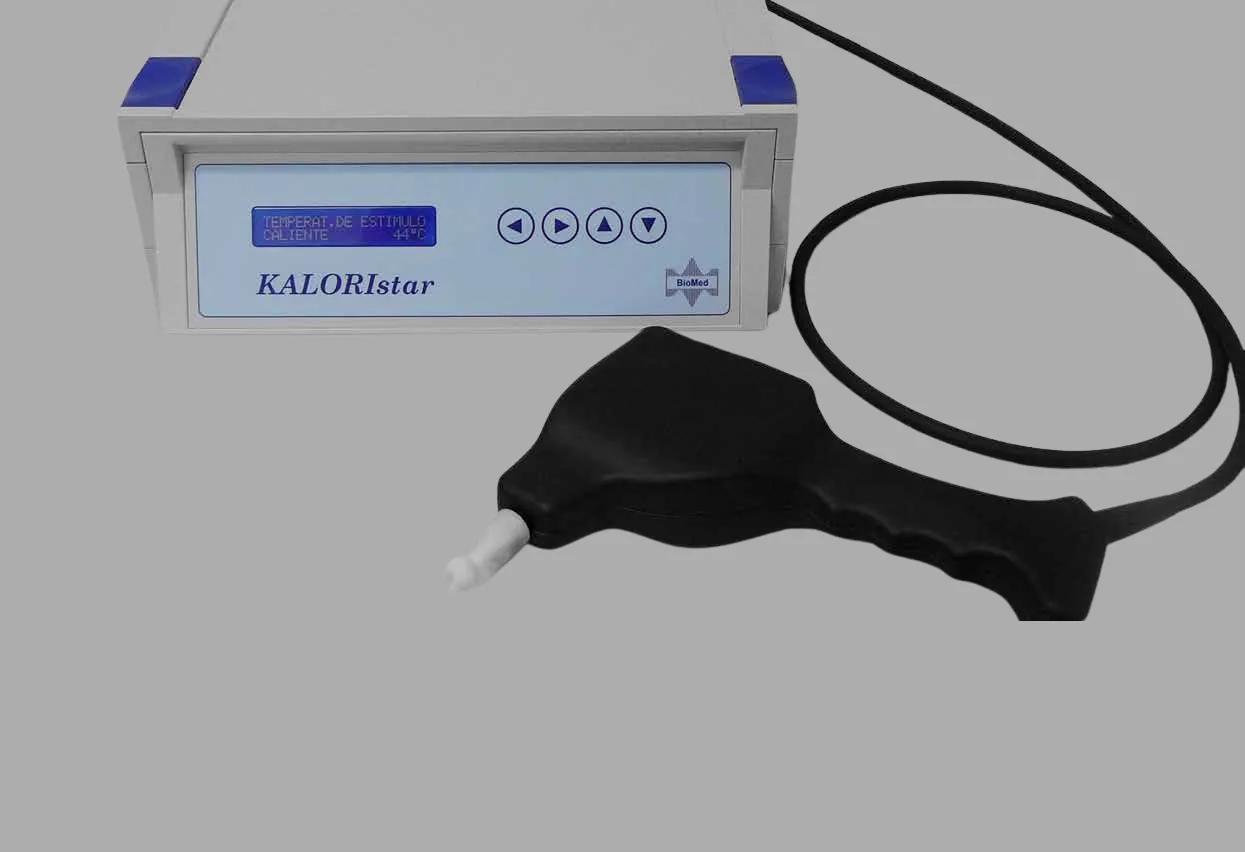
The Calorstar Arctic is a powerful pneumatic thermal irrigation device used to stimulate the vestibular system. Thanks to its innovative design, it ensures continuous cooling. So, it is not only useful in daily practice but also used in clinical research. The default temperatures for aerobic irrigation are 47°C (for warm stimulation) and 27°C (for cold stimulation). You can change these values ​​from 20°C to 50°C.

Testing with the KALORIstar device is part of the eVNGUSB program, which uses the eVNG mask. The stimulus is operated via the handle. You can adjust the temperature, duration, and type of stimulus from the control panel, with values displayed on the screen.
Caloric irrigation is a standard vestibular test used to study low-frequency responses. Spontaneous nystagmus can also be recorded prior to testing and included in the calculations. The user interface features a clear layout and displays eye movements for all irrigation procedures. In addition, you receive the computed results…
The New KALORIstarCT Air Caloric Device with Active Cooling Technology

BioMed Catalogue Vestibular EN New Edition 2025 2026 web 3 pdf image 048

The KALORIstarCT is an evolution of the reliable KALORIstar Arctic air caloric device and is the first air caloric system equipped with Active Cooling Technology (ACT). We built upon the robust technology of the KALORIstar Arctic and enhanced it with a refined design. The innovative circular connector with push-pull mechanism complements the high-quality design, while the smart handle allows replacement of the handle only when maintenance is needed. Last but not least, it sets a new standard for quiet operation. It is easy to use and comfortable for the patient.

  • Temperature: 20…51 °C
  • Enhanced Active Cooling (ACT)
  • Air Flow: 8 L/min
  • Ultra-Fast Adjustment
  • On-Device Handle Holder
  • Smart Handle for Easy Maintenance

Manual Pendulum Test (MPT)

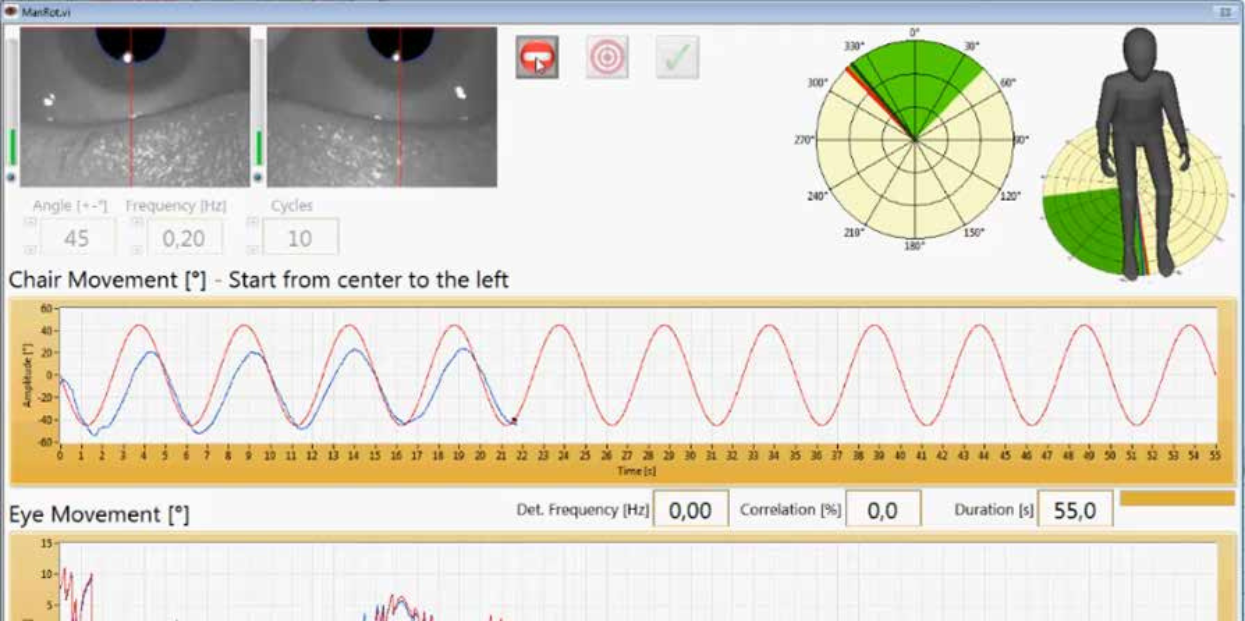
Integrated as an option in the eVNGUSB software, the Manual Pendulum Test (MPT) is used to assess compensation following balance loss. After practical calibration, the software guides the examiner with audio cues and 3D animations throughout the test. This test can be performed using a standard office chair.
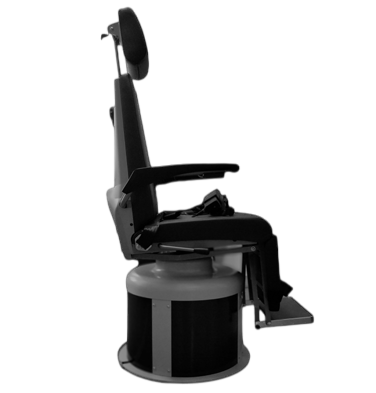
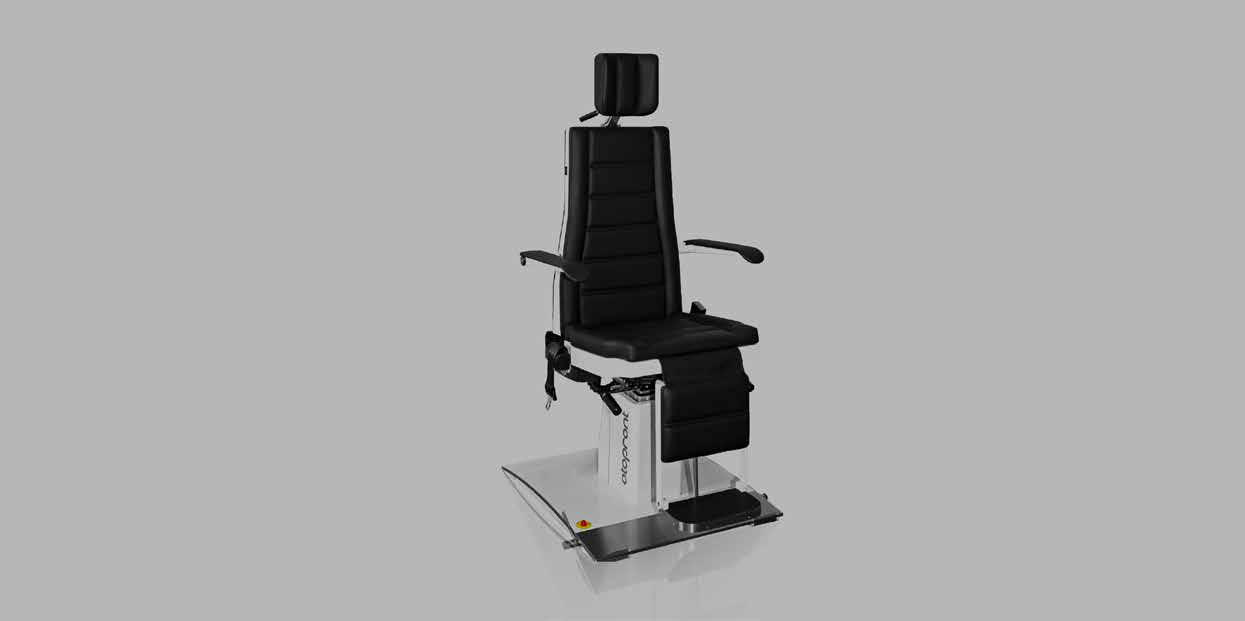
Thanks to fruitful collaboration, the test is now compatible with the SIT 4 examination chair from OTOPRONT, Germany. The SIT 4 chair can perform standard tests (5, 10, and 20 seconds / 45°, 90°, 180°), which are recorded by the eVNGUSB system.
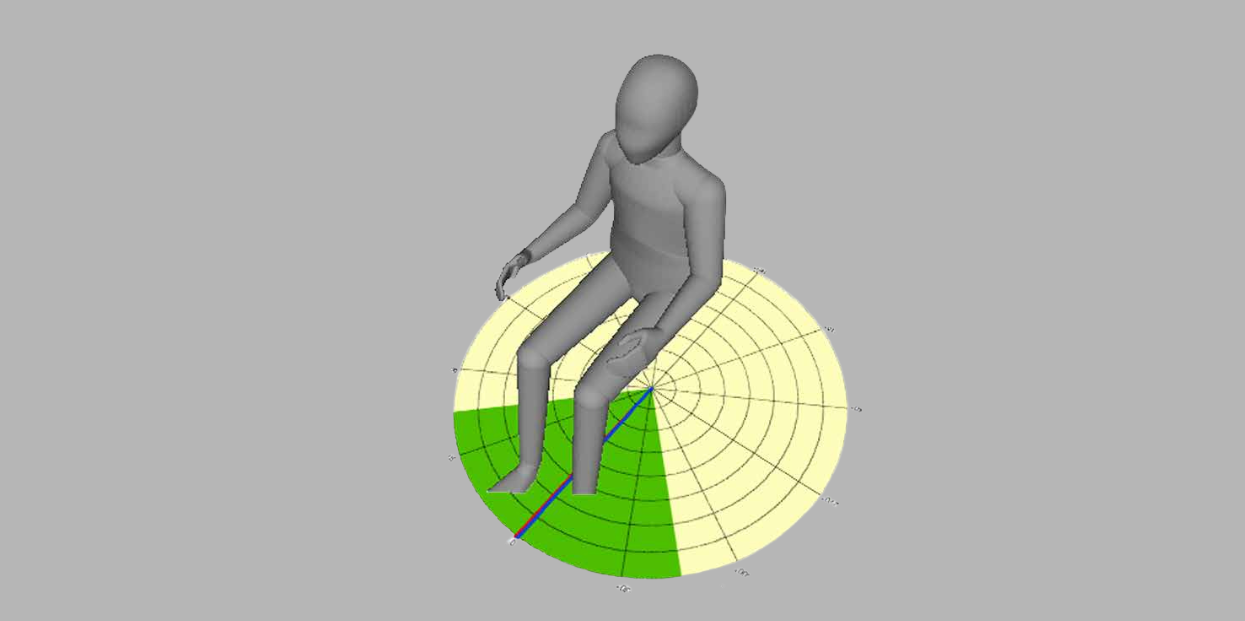
 Rotary Chair

BioMed Catalogue Vestibular EN New Edition 2025 2026 web 3 pdf image 064 e1772325982426

The Rotary Chair Test is a mid-frequency test used to diagnose balance disorders. The VESTAR 100 USB rotary chair can be integrated with the eVNGUSB system. There are two methods:

1– Step/Stop Rotation Test

The chair is gradually accelerated until it reaches a constant speed. After the stimulus ends, the chair stops abruptly. Analyses are separated into the initial rotation phase and the post-rotation phase.

2– Pendulum Test

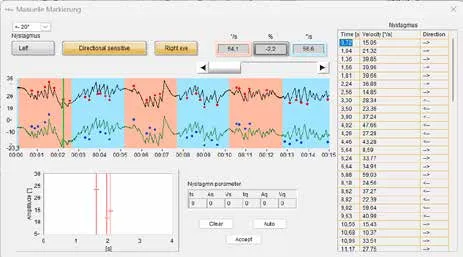
The chair moves in a pendular rotation. Speed is measured in degrees per second, up to a maximum of 200°/s. The user interface displays graphs of the recorded eye movements. Identified nystagmus beats are highlighted and plotted. Eye movement graphs are color-coded: the right eye is shown in a black graph (with red nystagmus), and the left eye in a green graph (with blue nystagmus).

BioMed Catalogue Vestibular EN New Edition 2025 2026 web 3 pdf image 064 e1772325982426

eVEMP USB

Vestibular-Evoked Myogenic Potentials (c - and oVEMP)

The eVEMPUSB device, part of the eABRUSB system, is designed to examine the vestibular end organ, which consists of the saccule and utricle. These receptors are sensitive to gravity and linear acceleration. The saccule responds to vertical motion, such as lifting, while the utricle responds to horizontal motion. The saccule can be assessed by recording cervical vestibular-evoked myogenic potentials (cVEMPs), and the utricle by recording ocular vestibular-evoked myogenic potentials (oVEMPs). The stimulus can be either an acoustic tone burst or a click sound (CW–VEMP–Chirp).
During the test, the patient sits or lies down. Adhesive electrodes are placed at the designated locations. Electromyography(EMG) is recorded and averaged.
Indications for use include, for example, peripheral vestibular hypofunction, benign paroxysmal positional vertigo (BPPV), and Ménière’s disease.
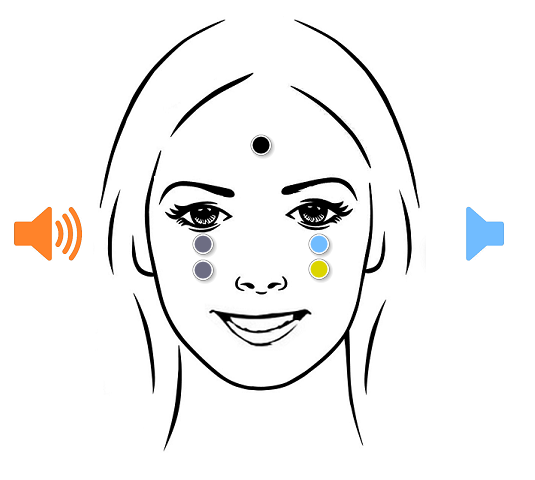
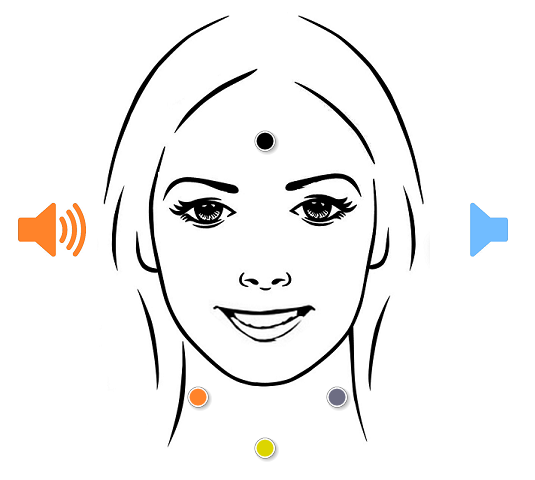
BioMed Catalogue Vestibular EN New Edition 2025 2026 web 3 pdf image 072
BioMed Catalogue Vestibular EN New Edition 2025 2026 web 3 pdf image 071

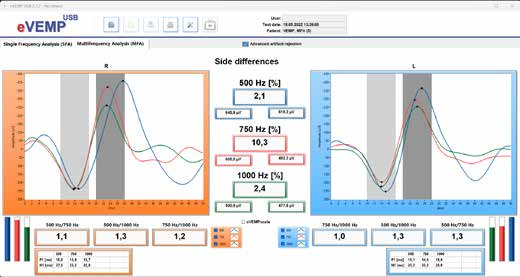
A unique feature of the eVEMPUSB device is Multi-Frequency Analysis (MFA) technology, where the tone is presented at alternating frequencies (500, 750, and 1000 Hz). In cases of Ménière’s disease, the frequency of the maximal response shifts to a higher frequency (1 kHz).
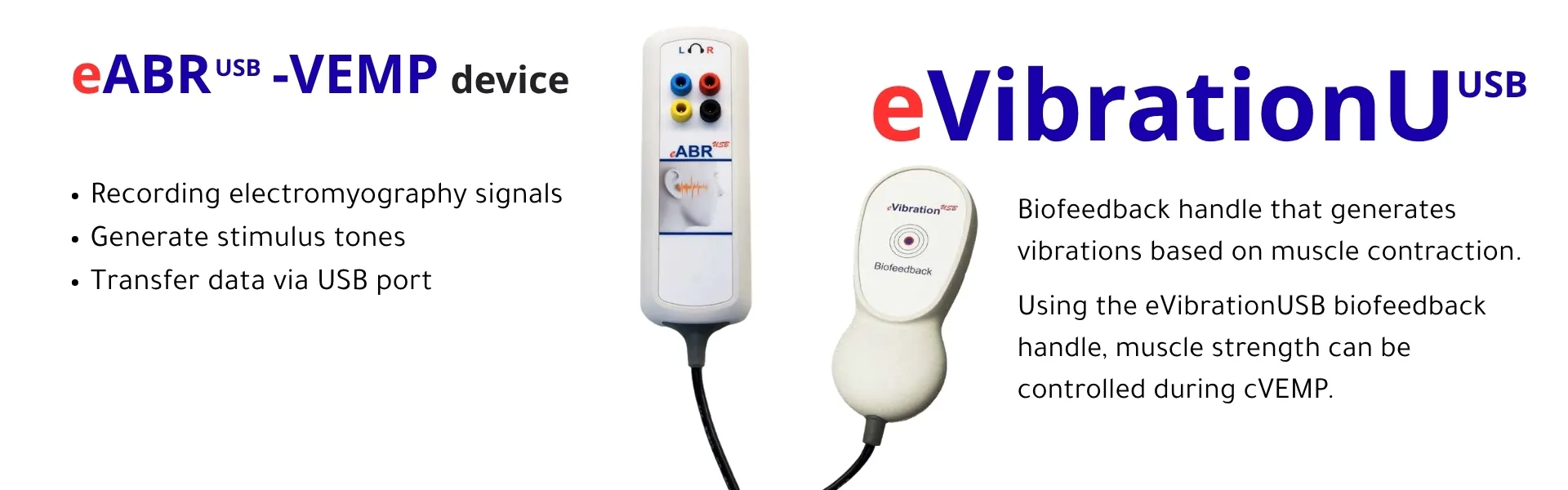
Devices

EVibrationUSB 1920 x 600 بيكسل result

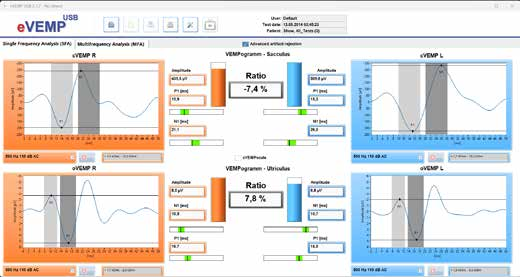
Results are clearly displayed, with SW markers indicating signals detected automatically. Standard gray-background ranges facilitate analysis. You can view four graphs showing the recorded measurements (cVEMPs right/left, oVEMPs right/left). The function of the vestibular otoliths is examined with 100% precision. When VEMPs are recorded (the graphs), the saccule and auditory canal function is fully intact. Stimulation is provided via DD45 headphones (shielded) or IP30 earphones. Color-coded electrode cables with wet electrodes are used to record electromyography (EMG) signals.
BioMed Catalogue Vestibular EN New Edition 2025 2026 web 3 pdf image 075
BioMed Catalogue Vestibular EN New Edition 2025 2026 web 3 pdf image 077
دون عنوان 200 x 200 بيكسل

For more information

Feel free to contact us anytime. Our team is always ready to help you.
Vestibular Diagnostic Equipment FAQ: Common Questions About Vertigo, Dizziness, and Balance Testing

Vertigo is a false sensation that the surroundings or your body are spinning or moving, and it is often caused by a problem in the vestibular system of the inner ear. Dizziness is a broader term. It includes vertigo, and also a feeling of unsteadiness or near-fainting without any sense of spinning, which can have causes unrelated to the ear, such as low blood pressure.

BPPV is one of the most common causes of vertigo. It happens when tiny calcium carbonate crystals move inside the semicircular canals of the inner ear. It causes short, sudden spells of vertigo (seconds to a minute) when the head position changes, such as turning over in bed or looking up.

Vestibular neuritis is inflammation of the vestibular nerve, usually thought to be caused by a virus. It causes severe, continuous vertigo that can last for days, with strong nausea, often after a respiratory or viral infection. It differs from BPPV because the vertigo is continuous rather than brief spells that come with head movement.

Ménière's disease typically causes spells of vertigo lasting from minutes to hours, tinnitus (ringing in the ear), and fluctuating hearing loss that comes and goes, usually in one ear, with a feeling of fullness or pressure in the affected ear.

See an ear, nose, and throat (ENT) doctor or a neurologist if vertigo keeps coming back, or comes with hearing loss or tinnitus. Most vertigo is caused by a benign problem of the inner ear, such as BPPV, but vertigo with other neurological symptoms, such as trouble speaking, double vision, numbness, weakness, or a severe sudden headache, needs urgent medical assessment to rule out more serious causes.

It depends on the cause. BPPV is often treated with repositioning maneuvers (such as the Epley maneuver) after the diagnosis is confirmed with the Dix-Hallpike test. Vestibular neuritis often improves over time, with the help of vestibular rehabilitation. Ménière's disease usually needs long-term medical follow-up to manage the spells.

iHear supplies BioMed Jena's vestibular diagnostic devices in the UAE, including the eVNG USB video nystagmography system, the eHIT USB video head impulse test (vHIT) device, the VNG/vHIT Combi Mask, the KALORIstar CT caloric testing device, and the eVEMP USB for vestibular evoked myogenic potentials. BioMed Jena's catalogue also describes dynamic visual acuity testing (eDVA USB) and a rotary chair that can be connected to the eVNG USB. Ask iHear which of these are available for your facility.

Video nystagmography (VNG) records eye movements with video goggles to help assess the vestibular system. It is not painful and not invasive: the patient wears special video goggles and performs head and eye movements and looks at fixed or moving targets.

It depends on the protocols the clinician requests. A basic test (spontaneous nystagmus, positional tests, and caloric testing) usually takes about 30 to 60 minutes.

Follow your clinic's instructions. Patients are often asked to avoid caffeine, alcohol, and some anti-vertigo medications for 24 to 48 hours before the test (after consulting the doctor), because they can mask the true results, and to avoid heavy products around the eyes.

In a caloric test, the vestibular system is stimulated with warm or cool air or water in the ear canal, which normally triggers involuntary eye movements if the inner ear is working. Some patients feel mild, temporary dizziness during the test, which is expected and passes within minutes.

VNG (video nystagmography) assesses the vestibular response to relatively slow stimuli, such as caloric testing and changes in head position. vHIT (video head impulse test) measures the response of the semicircular canals to a fast, sudden head movement. The two tests complement each other and neither replaces the other, which is why BioMed Jena offers a VNG/vHIT Combi Mask that can perform both.

Whether VNG suits a child depends on the child's age, ability to cooperate, and the clinician's judgment. BioMed Jena's pages for the eVNG USB do not describe a pediatric protocol, so ask iHear and the manufacturer if you need a pediatric application.

It is better not to drive right after the test, because some tests, especially caloric testing, can cause mild, temporary dizziness. Patients are usually advised to wait until they feel steady before leaving the clinic, or to arrange for someone to drive them.

BioMed Jena's catalogue lists an optional mascara feature for the VNG/vHIT Combi Mask that allows patients who wear eye makeup to be tested with their makeup on. Ask iHear to confirm the option for your device and how it works.

According to BioMed Jena, the eVNG USB uses a stable binocular mask with focus control, hot mirrors adjustable in three steps, and a soft cushion for a comfortable fit. It records both eyes synchronously at 100 Hz with a 1280 x 1024 pixel camera, connects through USB 2.0, and needs a computer with a Full HD (1920 x 1080) screen and free USB 2.0 ports. No additional hardware is required, and the software includes findings sheets, a GDT port, and network readiness. Ask iHear for the datasheet for the full specifications.

BioMed Jena's website lists the eVNG software as compatible with Windows versions up to 8.1, and the eHIT USB requirements list Windows 10. For Windows 10 or Windows 11 support, ask iHear to confirm the requirements for the current software version before you buy.

Both are air caloric irrigators with active cooling technology. The KALORIstar CT is the newer generation: it has a new circular push-pull connector, a smart handle that can be replaced on its own when service is needed, quieter operation, and a wider temperature range of 20 to 51 °C. The KALORIstar Arctic's default temperatures are 47 °C (warm) and 27 °C (cool), adjustable from 20 to 50 °C.

SHIMP is a variation of the head impulse test that BioMed Jena offers in the eHIT USB software. It is used to assess vestibulo-ocular reflex (VOR) suppression, and it can help the clinician assess conditions such as bilateral vestibular loss. The clinician interprets the results.

Yes. The eVNG and eHIT can be combined in one system on request through the VNG/vHIT Combi Mask, which has 9-axis sensor fusion and records both eyes with two cameras. The eVNG USB can also be connected to the VESTAR 100 USB rotary chair, so rotational testing (a rotation-stop test and a sinusoidal test) runs from the same software.

The manual sinusoidal pendulum test (MPT) is an optional module of the eVNG USB software. It uses an ordinary office chair and the motion sensors in the eVNG mask, with audio and 3D animation guiding the examiner, and is used to check vestibular compensation after a loss of vestibular function. It is also compatible with the OTOPRONT SIT 4 chair.

VEMP testing examines the otolith organs, the saccule and the utricle, by recording vestibular evoked myogenic potentials. Cervical VEMP (cVEMP) assesses the saccule using a neck muscle, and ocular VEMP (oVEMP) assesses the utricle using the muscles around the eyes. BioMed Jena's eVEMP USB offers multiple-frequency analysis, with tones at 500, 750, and 1000 Hz.

Together, tests such as VNG, vHIT, and VEMP help clinicians assess common causes of vertigo, including BPPV, vestibular neuritis, and Ménière's disease, depending on the symptoms. Eye-movement patterns also help: nystagmus from an inner-ear (peripheral) problem usually follows predictable patterns, while nystagmus from a central problem in the brain or cerebellum often does not, and may come with other abnormalities in saccade and smooth-pursuit tests. The clinician interprets the results and decides on the diagnosis.

A specialist ENT doctor, a neurologist, or an audiologist trained in reading vestibular reports interprets the results, not only the technician who performs the test.

Treatment depends on the cause: repositioning maneuvers for BPPV, medication and rehabilitation for vestibular inflammation, or a full vestibular rehabilitation program for chronic cases to improve central compensation.

iHear (ihear.ae) is the exclusive authorized distributor of BioMed Jena devices in the UAE, headquartered in Al Ain with a branch in Abu Dhabi, and provides supply, training, and technical support locally. To request a quote or a consultation, contact iHear on WhatsApp at +971 50 208 4569.

The price depends on the configuration, for example whether you add the eHIT USB, the VNG/vHIT Combi Mask, the KALORIstar CT, VEMP testing, or a rotary chair. Contact iHear for a quote based on your facility's needs.

Yes. Supply usually includes training for medical and technical staff on operating the devices and their software, plus ongoing technical support after installation.

Yes. BioMed Jena's catalogue lists the eVNG USB, eHIT USB, eVEMP USB, eDVA USB, and KALORIstar CT among the devices compatible with the eDM (Diagnostic Manager), so vestibular data can be managed in one patient database together with audiology data.

Both companies offer VNG and vHIT systems and rotary chairs built to international medical standards. BioMed Jena's main advantages through iHear are a relatively lower cost and fast local technical support in the UAE.

You can start with the basic eVNG USB system, since it covers the most important tests, and expand later by adding the eHIT USB, the KALORIstar CT, or a rotary chair as your facility grows and its diagnostic needs change.

BioMed Jena's datasheets list the standards and conformity information for each device, for example EN 60601-1 and the Medical Device Directive (MDD). CE marking is a European conformity marking, and use in the UAE is subject to the requirements of the relevant UAE health authority, so ask iHear for the current registration status and the documents for the device you need.

iHear also offers PhysioSensing's Otoneuro System, a vestibular rehabilitation system, and the Posturography Station for balance assessment with a force plate. They are separate from BioMed Jena's diagnostic devices.
iHear WhatsApp